
Album Review: Stephanie Babirak – Rotten Fruit
New York musician and singer Stephanie Babirak has already established herself as a harpist, and on her new album Rotten Fruit, its lilting tones are amplified in a myriad of ways.
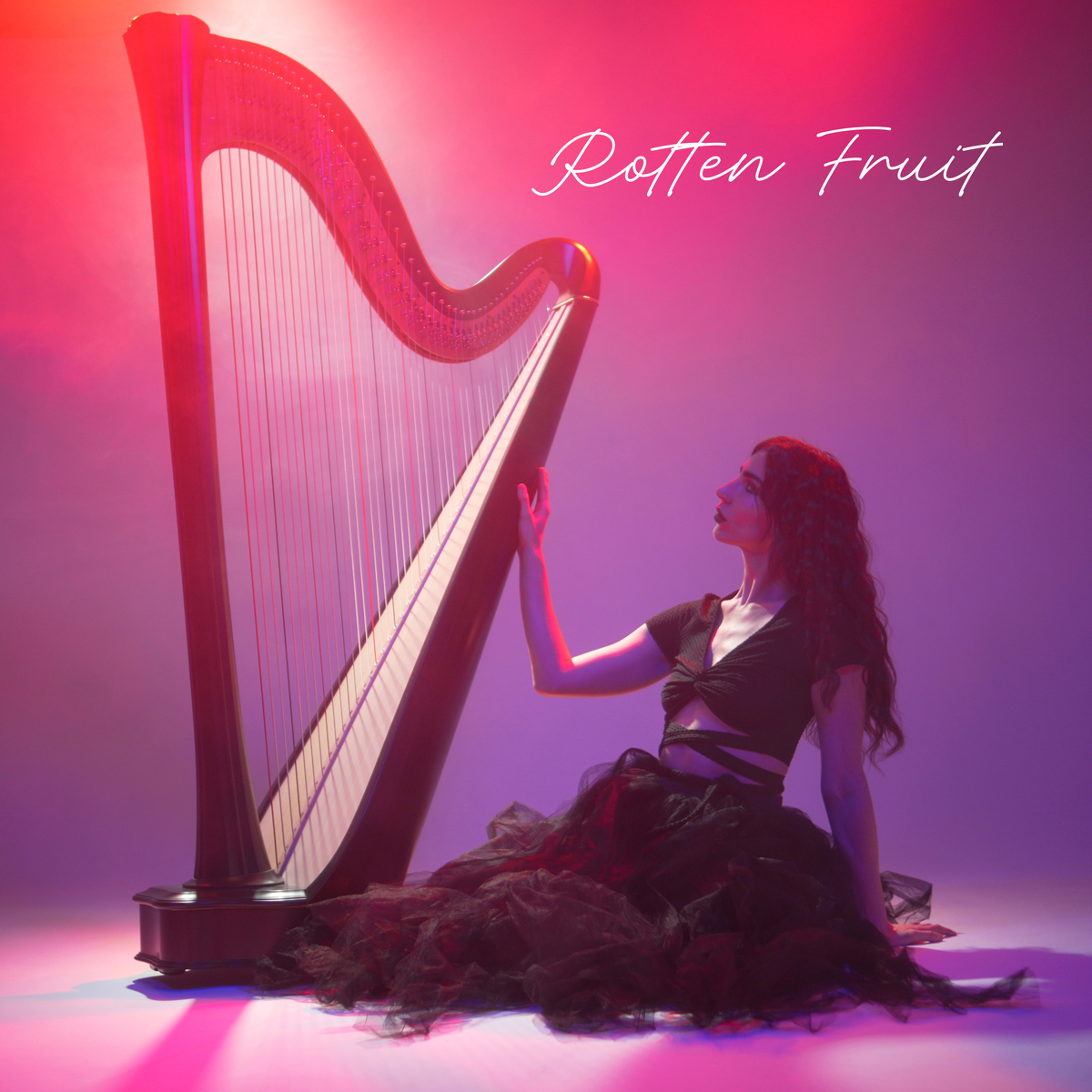
There’s a lot more to the album, but understandably, her harp playing is a constant presence on the album, but so too are the soothing and light tones of her voice, folk-aligned with bite. Opening track Apocalypse introduces another, occasional theme in the album, as the songs make reference to events in the Old and New Testaments within the titles and, occasionally, lyrics.
Apocalypse is actually bright and sprightly, even as it refers to plagues and ChatGPT as the source of disaster, but I sense that despite the breathy insouciance, the real disaster for the song’s protagonist would be to meet them without the object of their affections, no matter how much they protest otherwise.
With Waterline, the piercing lyrics and angelic vocals seem to hole you under your own waterline, the stark images offered up to the listener with a strange beauty. It’s as if Babirak wants to show us that we need to look under the surface to learn what is true. Singing about bad blood and, indeed, rotten fruit, it got a message that it is important to be open to engaging with life but also to somehow find a way to negotiate notions of good and bad, as well as being honest to ourselves and others.
On Hey Cain, Babirak references the brothers in the well-known tale of murder and betrayal, but the baroque and folkish elements of the arrangement ensure that the track is not a doomy number. In fact, even as the song talks of being unable to breathe, it says this comes about from belief, not a dark place.
Moon River is indeed a cover of the American classic, made famous by Audrey Hepburn as Holly Golightly in Breakfast at Tiffany’s and later by Andy Williams. It’s a track to approach with care and consideration, given the place both versions have, but Babirak does so wonderfully. She makes it her own, possessing the innocence of Hepburn and the broad romantic sweep of Williams.
Utah and Coda bookend the album, light baroque pop and folk full of light in the arrangements and vocals, with the lyrics of Utah casting only momentary shadows. Coda is just that, an instrumental that refers back to the sonic themes of the album, a closer, but also an invitation to go back to the start and begin the journey once again.
“The title Rotten Fruit grew out of Waterline, but it ended up becoming a framework for thinking about ‘badness’ across the entire record,” discloses Babirak. “The album name comes from that Biblical idea that you can judge a tree by its fruit, meaning that you understand something by what it actually produces rather than what it claims to be.”
She continues, “A lot of the record is me trying to understand where that ‘badness’ lives. Is it something inherent in a person, or is it something that develops over time through family, environment, and repeated patterns? And how do you recognize it clearly when you are inside of it?”
“That question shows up in different ways across the album, in my life as a person, a partner, and an artist. It’s less about labeling something as good or bad, and more about paying attention to what is actually there, even when it conflicts with what you hoped or believed.”
If you need a musical huckleberry friend in your life, then Rotten Fruit could just be that, even with the seemingly dark title. Babirak has marshalled her harp and vocal skills into an album that is wise, witty, and wistful; lyrics that often cut to the chase, arrangements full to the brim with comfort and warmth. She brings an innocence to play on the sometimes-unflinching and exposed narratives within the songs, finding marvel and wonder in things we may think we already know, and others we are hearing for the first time.
Rotten Fruit was released on the 12th of June, 2026. The album was written and recorded with her friend and longtime collaborator Peter Scoma who sings and plays guitar on every track. Joshua Benash mixed and produced the LP. Learn more about the album and Stephanie Babirak by heading to Instagram or TikTok. Rotten Fruit can be heard on all major music platforms, including Spotify and Apple Music.
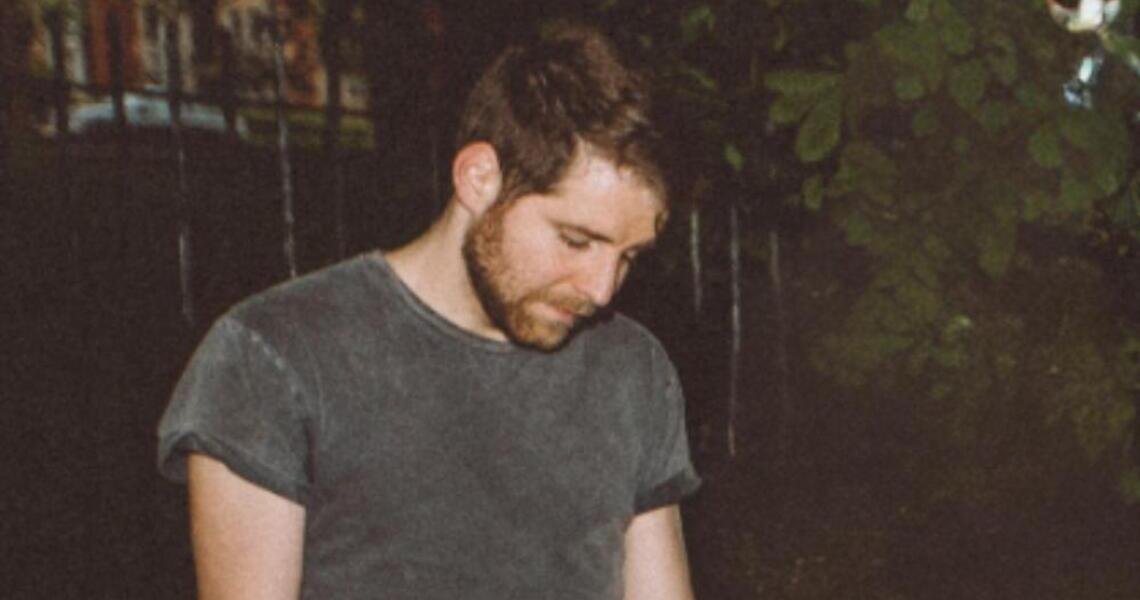
Header photo by David Zayas Jr
Discover more great music
About the Author: Mark Buckley

More New Music






Friends and Features